

News
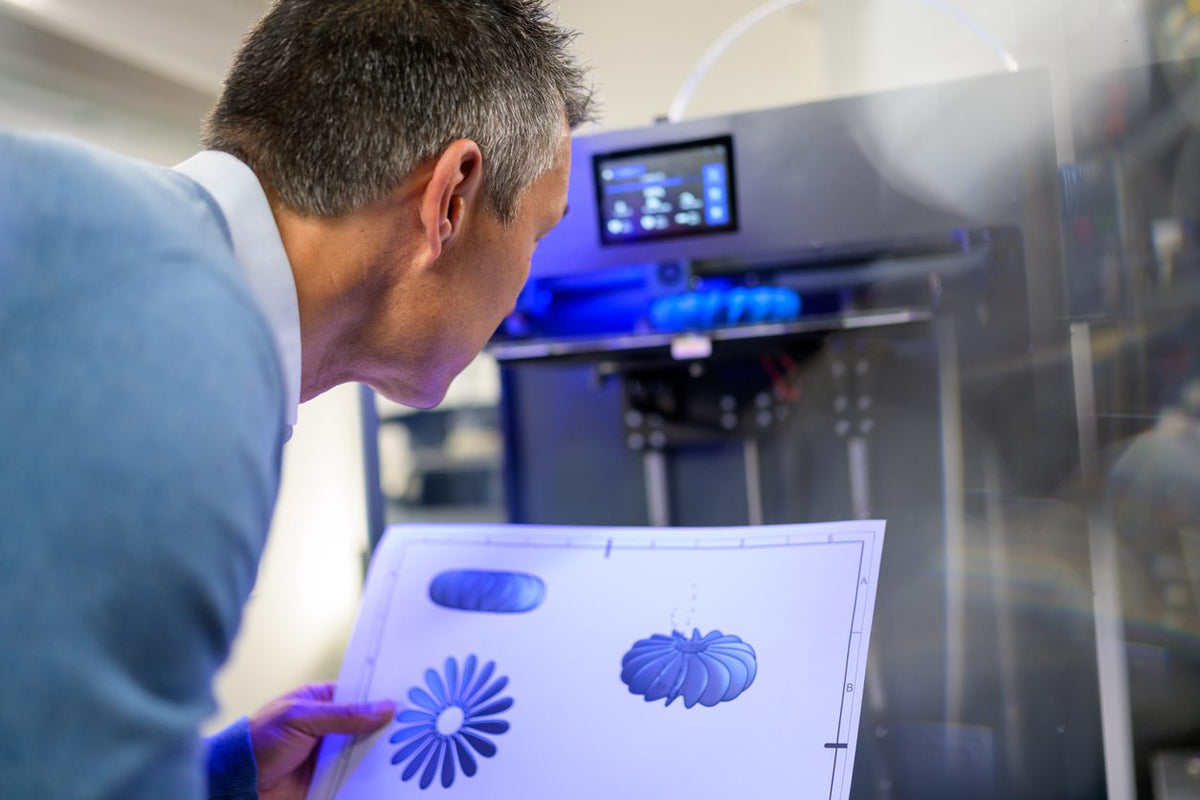

Innovative Applications of Plastic 3D Printing in Various Industries
Exploring the Versatility of Plastic Additive Manufacturing 3D printing has emerged as a transformative technology in modern manufacturing and prototyping, revolutionizing traditional production methods. Among the many materials utilized in this innovative technology, plastics stand out for their versatility, affordability, and adaptability to various applications across different industries. The versatility of plastics in 3D printing is unparalleled. With a wide range of plastic materials available, including ABS, PLA, PETG, and more, each with unique properties and characteristics, 3D printing can cater to many requirements. Plastics can be engineered to possess varying degrees of flexibility, strength, durability, heat resistance, and even transparency, making them suitable for an extensive array of applications. From creating intricate components for the aerospace industry to personalized prosthetic limbs in healthcare, the adaptability of plastics in 3D printing knows no bounds. Let's delve into the groundbreaking and creative applications of plastic 3D printing that reshape various sectors. Healthcare Industry Customized Prosthetics and Orthotics: 3D printing allows for creation of custom-fitted prosthetic limbs and orthotic devices tailored to individual patient needs. This customization enhances comfort, functionality, and overall quality of life for amputees and individuals with mobility challenges. Patient-Specific Surgical Planning: Surgeons utilize 3D-printed patient anatomy models for detailed pre-surgical planning. These models accurately represent the patient's unique anatomy, aiding in surgical strategy development and enhancing surgical precision. Complex Surgical Tooling: Surgeons can design and 3D print specialized surgical tools and guides for complex surgical procedures. These tools, customized to the patient's anatomy, improve surgical accuracy and reduce operation time. Anatomical Teaching Models: 3D printing enables the creation of detailed anatomical models for medical education and training. These models mimic real human organs and structures, offering a hands-on learning experience for medical students and professionals. Biofabrication and Tissue Engineering: Researchers are exploring 3D printing for biofabrication, creating three-dimensional structures using biocompatible plastic materials that mimic human tissues and organs. This technology holds promise for tissue engineering and regenerative medicine. Dental Applications: In dentistry, 3D printing creates dental implants, crowns, bridges, and models for orthodontic treatments. This technology streamlines the dental manufacturing process and improves the accuracy and fit of dental prosthetics. Drug Delivery Devices: 3D printing fabricates personalized drug delivery devices such as capsules or implants with precise drug dosages. This allows for tailored treatments based on individual patient needs. Surgical Training and Simulation: Plastic 3D printing produces realistic surgical simulators for training surgeons. Trainees can practice surgical procedures on these models, gaining valuable hands-on experience in a risk-free environment. Assistive Devices: 3D printing is utilized to create assistive devices such as mobility aids, customized ergonomic tools, and adaptive equipment, enhancing the daily lives of patients with disabilities. Research and Prototyping: Researchers use 3D printing to quickly prototype and iterate medical devices, experimental models, and research tools, expediting the development of new healthcare technologies. Automotive Industry Prototyping and Concept Modeling: 3D printing allows for rapid prototyping of automotive components and parts, enabling designers to iterate and refine their designs quickly. This significantly speeds up the product development cycle and aids in concept validation. Customized Components: Plastic 3D printing enables the production of customized automotive components tailored to specific design requirements or individual preferences. This personalization can extend to interior design elements, dashboard features, and more. Lightweighting for Fuel Efficiency: Lightweighting is crucial for improving vehicle fuel efficiency. 3D printing enables the creation of lightweight yet strong plastic components, reducing the vehicle's overall weight and contributing to better fuel economy. Complex Air Intakes and Ducts: 3D printing allows for the fabrication of complex air intake systems and ducts with intricate geometries. These optimized designs improve airflow, leading to enhanced engine performance and efficiency. Interior Components and Trim: Plastic 3D printing is used to manufacture interior components such as dashboard elements, knobs, handles, and trim pieces. This process offers flexibility in design, colors, and textures, enhancing the vehicle's overall aesthetic appeal. Custom Grilles and Emblems: Car enthusiasts and manufacturers can create custom grilles, emblems, and logos using 3D printing. This customization adds a unique touch to vehicles and allows for branding differentiation. Jigs, Fixtures, and Tooling: 3D printing is utilized to produce jigs, fixtures, and tooling used in automotive assembly lines. These custom tools improve the efficiency and accuracy of assembly processes, reducing production time and costs. Ergonomic Enhancements: 3D printing helps in creating ergonomic enhancements for the vehicle interior, including custom-designed grips, handles, and controls that provide an improved and comfortable user experience. Low-Volume Production Runs: Plastic 3D printing enables low-volume production of specific automotive parts, allowing for on-demand manufacturing and reducing the need for large inventory storage. Hybrid and Electric Vehicle Components: 3D printing supports the production of specialized components for hybrid and electric vehicles, aiding in creating efficient battery housings, charging ports, and other electric drivetrain parts. Aerospace Industry Prototyping and Rapid Iteration: 3D printing allows for rapid prototyping of aerospace components, enabling engineers to iterate and refine designs quickly. This accelerates the product development cycle and helps in achieving optimal designs. Lightweight Structural Components: Plastic 3D printing produces lightweight yet strong structural components. Lightweight materials are crucial in aerospace for reducing fuel consumption and enhancing overall efficiency. Complex Geometries for Optimization: 3D printing creates complex geometries that are otherwise challenging or impossible to achieve with traditional manufacturing methods. These intricate designs can optimize airflow, reduce drag, and enhance aerodynamic performance in aircraft and spacecraft. Customized Interiors and Cabin Components: Plastic 3D printing facilitates the production of customized interior components, such as panels, vents, brackets, and entertainment system fittings. This customization caters to the specific needs and preferences of different aerospace customers. Ducting and Ventilation Systems: 3D printing is used to manufacture precise ducting and ventilation components, ensuring efficient airflow and cooling systems within aircraft and spacecraft. Satellite and Small Payload Components: Plastic 3D printing creates components for small satellites and payloads, offering a cost-effective and efficient way to manufacture intricate and lightweight parts. Tooling and Molds: 3D printing creates custom tooling and molds for aerospace manufacturing processes. These tools aid in the production of composite materials and complex shapes. Aerospace Research Models: Plastic 3D printing fabricates detailed models for aerospace research and testing. These models assist in aerodynamic studies, wind tunnel testing, and other research activities. Prototypes for Engine Components: Engine components like turbine blades can be prototyped using 3D printing to assess designs and conduct performance testing. This aids in refining designs for optimal engine efficiency and durability. Cabin Fixtures and Amenities: 3D printing is utilized to create various cabin fixtures, amenities, and in-flight service items, offering a lightweight and customized approach to interior design. Consumer Goods and Electronics Customized Phone Cases and Accessories: 3D printing allows for the creation of customized phone cases and accessories, enabling consumers to design and personalize their gadgets with unique patterns, textures, and designs. Earphones and Wearables: Plastic 3D printing is utilized to create customized earphone shells and wearables that fit an individual's anatomy perfectly, enhancing comfort and performance. Ergonomic Computer Peripherals: 3D printing is used to design and manufacture ergonomic computer peripherals such as keyboards, mice, and mousepads tailored to users' specific hand sizes and preferences. Virtual Reality (VR) and Augmented Reality (AR) Devices: 3D printing enables the creation of lightweight and comfortable VR/AR headsets and accessories. Customized designs enhance user experience and device compatibility. Gaming Accessories: 3D printing is employed to fabricate unique and customized gaming accessories like controller grips, joystick caps, and stands, offering a personalized gaming experience. Customized Home Decor: Consumers can personalize home decor items, such as lampshades, vases, and wall art, using 3D printing, allowing for unique and bespoke designs that match individual tastes and interior aesthetics. Headphones and Speaker Enclosures: Plastic 3D printing enables the production of high-quality headphone and speaker enclosures, optimizing acoustic properties for improved sound quality and customized designs. Portable Chargers and Power Banks: 3D printing is utilized to create innovative and compact designs for portable chargers and power banks, enhancing portability and usability. Wearable Health and Fitness Trackers: Plastic 3D printing allows for the creation of customized wearable health and fitness trackers, optimizing the design for comfort and accuracy in tracking biometric data. Educational Electronics Kits: 3D printing is employed to manufacture educational electronics kits, promoting STEM (Science, Technology, Engineering, and Mathematics) learning by providing hands-on experience with assembling and understanding electronic components. Education Educational Models: 3D printing allows the creation of accurate and intricate models of various educational subjects, such as molecules in chemistry, human anatomy, geological formations, historical artifacts, and architectural structures. These models provide a hands-on learning experience, enhancing understanding and retention. Prototyping for Student Projects: Students can utilize 3D printing to prototype their projects, giving them a tangible representation of their ideas. This hands-on approach facilitates better understanding of concepts and encourages creativity and innovation. Customized Learning Aids: Educators can design and 3D print specialized learning aids tailored to the needs of individual students. These aids can include Braille materials, tactile graphics, or objects that aid in specific learning styles. Mathematical and Geometrical Concepts: 3D printing helps in visualizing complex mathematical and geometrical concepts by creating three-dimensional models of geometric shapes, graphs, fractals, and other abstract mathematical concepts, making learning more interactive and engaging. Historical and Cultural Artifacts: Students can learn about history and culture by examining 3D-printed replicas of historical artifacts, ancient coins, sculptures, and archaeological discoveries, providing a tactile connection to the past. Astronomy and Space Exploration: 3D printing aids in creating scaled models of celestial bodies, planetary systems, and space exploration equipment, facilitating a deeper understanding of astronomy and space science. Robotics and Engineering Education: 3D printing is used to fabricate components for robotics projects and engineering models, allowing students to design, build, and test robots and other engineering prototypes. Art and Design Projects: Students in art and design programs utilize 3D printing to create sculptures, intricate art pieces, jewelry, and other creative projects, offering a unique medium for artistic expression. Interactive Puzzles and Games: 3D printing enables the creation of educational puzzles, board games, and interactive learning tools that enhance critical thinking, problem-solving, and collaboration skills. Miniature Architecture and Urban Planning: Students can design and print miniature models of buildings, cities, or urban planning projects, promoting understanding of architecture and urban development concepts. The affordability of plastic materials makes 3D printing a cost-effective choice for both small-scale projects and large-scale production. The ability to optimize material usage during the printing process minimizes waste, contributing to cost-efficiency. This cost-effectiveness is particularly advantageous for startups, research institutions, and businesses looking to innovate without breaking the bank. In essence, the marriage of 3D printing with plastics has redefined the way we approach product development, prototyping, and manufacturing. It has not only opened new doors for creativity and design but has also democratized access to manufacturing capabilities, empowering individuals and industries alike to bring their ideas to life in a way that was once considered futuristic. The journey of 3D printing with plastics continues to evolve, promising a future where innovation and production seamlessly merge, propelling industries towards unparalleled heights of efficiency and creativity. Nota3D is the most responsive in the industry—solving issues, developing solutions, and delivering materials faster than anyone else on the market. We work tirelessly to bring you what you need when you need it. Our favorite thing is to learn about you and your specific goals when it comes to 3D technology. We have various solutions and will help you find the right fit, even if it isn’t from us. Contact us today.
Learn more
The Environmental Impact of Plastic 3D Printing
Sustainable Practices and Materials in Additive Manufacturing As 3D printing technology continues to advance and gain popularity, there has been a growing emphasis on addressing the environmental impact associated with the production and use of plastic-based 3D printed objects. The production and use of plastic-based 3D printed objects can contribute to environmental concerns such as resource depletion, waste generation, and pollution. However, sustainable practices offer solutions to minimize these impacts. In addition to sustainable practices, the choice of materials is crucial in minimizing the environmental impact of 3D plastic printing. Sustainable materials for 3D printing include biodegradable and compostable options, such as PLA (polylactic acid) derived from renewable resources. PLA is a popular choice due to its biodegradability, which reduces the environmental burden associated with plastic waste. Other sustainable materials include recycled filaments made from post-consumer or post-industrial plastics, which divert waste from landfills and reduce the demand for new plastic production. The adoption of sustainable practices and materials in 3D plastic printing aligns with broader environmental goals, such as reducing carbon emissions, conserving resources, and minimizing waste. It addresses concerns related to the use of non-renewable resources and the disposal of plastic waste, contributing to a more sustainable and circular economy. This article will examine the environmental impact of 3D printing with plastic, and present sustainable practices and materials that are being adopted to address these concerns. What is the environmental impact of 3D printing with plastic? 3D printing with plastic materials can have several environmental impacts, primarily related to the production, use, and disposal stages of the printing process. While 3D printing offers benefits such as customization, design freedom, reduced material waste, and localized manufacturing, it also has environmental considerations that need to be addressed: Raw Material Extraction: The production of plastic filament or resin used in 3D printing requires the extraction and processing of raw materials, such as petroleum-based plastics. The extraction process can lead to habitat destruction, water pollution, and the release of greenhouse gasses, contributing to climate change and environmental degradation. Energy Consumption: 3D printers consume energy during the printing process, and the energy requirements can vary depending on the printer type, size, and printing speed. The use of energy-intensive processes, especially in large-scale production, can result in increased carbon emissions and contribute to environmental impact. Emissions: The heating and melting of plastic materials during the 3D printing process can release volatile organic compounds (VOCs) and particulate matter into the air, especially if the printer is not properly ventilated. These emissions can have detrimental effects on air quality and human health, particularly in poorly ventilated spaces. Waste Generation: 3D printing can generate waste in the form of failed prints, support structures, and excess material. If not properly managed, this waste can contribute to plastic pollution and end up in landfills or ecosystems. Additionally, discarded or unused plastic filament spools can also contribute to waste generation. End-of-Life Disposal: The disposal of 3D printed plastic objects presents challenges, as many plastics used in 3D printing are not easily recyclable in traditional recycling systems. The complex composition and mixed materials used in some prints can make recycling difficult. Improper disposal or incineration of plastic waste can release harmful chemicals into the environment and contribute to pollution. Addressing the environmental impact of 3D printing with plastic materials requires adopting sustainable practices and materials. Sustainable Practices and Materials ARE Being Adopted to Address These Concerns! Material Selection: Choosing sustainable and eco-friendly materials is an essential step in reducing the environmental footprint of 3D plastic printing. Biodegradable and compostable materials, such as PLA (polylactic acid) derived from renewable resources like cornstarch or sugarcane, are popular choices. PLA has gained traction due to its ability to break down naturally over time, reducing waste and pollution. Recycled Filaments: Utilizing recycled filaments made from post-consumer or post-industrial waste is an effective way to reduce the demand for new plastic materials. Recycled filaments are typically made from reclaimed plastics, such as ABS (acrylonitrile butadiene styrene), PET (polyethylene terephthalate), or HDPE (high-density polyethylene). Incorporating recycled content into 3D printing materials helps divert plastic waste from landfills and conserves resources. Closed-Loop Systems: Implementing closed-loop systems in 3D printing operations helps minimize waste and energy consumption. Closed-loop systems involve recycling and reusing excess or failed prints, filament scraps, and support structures. These materials can be processed and fed back into the 3D printing process, reducing material waste and promoting a more sustainable workflow. Energy Efficiency: Optimizing energy consumption during the 3D printing process is an important sustainability consideration. Using energy-efficient printers and software that optimize print settings can minimize energy usage. Additionally, employing strategies such as print scheduling, grouping multiple prints together, and optimizing the printer's operating temperature can further enhance energy efficiency. Design for Sustainability: Emphasizing sustainable design principles is key to reducing the environmental impact of 3D plastic printing. Designing objects with optimized geometries, utilizing lightweight structures, and minimizing material usage can significantly reduce waste and energy consumption. Employing design techniques such as lattice structures and hollowed parts can reduce the amount of material required while maintaining structural integrity. Post-Processing: Adopting environmentally friendly post-processing techniques is essential to ensure sustainable practices throughout the entire 3D printing workflow. Utilizing water-based or bio-based solvents for cleaning and finishing processes instead of harsh chemicals helps minimize environmental pollution. Proper waste management and disposal of post-processing residues are also essential considerations. Life Cycle Assessment: Conducting life cycle assessments (LCAs) to evaluate the environmental impact of 3D printed objects is a valuable practice. LCAs help identify areas for improvement and guide decision-making towards more sustainable choices. Assessing factors such as material sourcing, production, use, and end-of-life disposal can provide insights into the overall sustainability of 3D printed products. As the 3D printing industry continues to evolve, the integration of sustainable practices and materials becomes increasingly important. Manufacturers, designers, and users of 3D printed objects are recognizing the importance of reducing the environmental impact and are actively seeking ways to incorporate sustainable practices into their workflows. This emphasis on sustainability in 3D plastic printing reflects the growing awareness of environmental responsibility and the commitment to creating a more sustainable future. Nota3D recognizes that sustainability is important to how we do business. The context in which our business operates is transforming due to the effects of climate change and heightened social, economic, and health challenges around the globe. We continue to enhance our environmental, social, and governance (“ESG”) activities as we drive forward with our long-term sustainability strategy. Our strategic priorities are advancing innovation through our people, developing solutions to use resources responsibly, and implementing actions to reduce and eliminate waste.
Learn more
What Can You Print with 3D Plastics Printing?
Examining the Uses and Advantages of Using Plastic in 3D Printing Plastic 3D printing is one of the fastest and most cost-effective ways to create iterative designs, prototypes, and custom parts. This process with plastic, also known as additive manufacturing, begins with creating a digital 3D model using computer-aided design (CAD) software. The model is then sliced into numerous thin layers, and the printer interprets these slices as instructions. Plastic filament is then heated and extruded through a nozzle. The nozzle moves precisely according to the instructions, depositing molten plastic layer by layer to gradually build the object. As each layer cools and solidifies, it fuses with the previous layer, forming a sturdy and cohesive structure. This layer-by-layer approach allows for creating of intricate and complex geometries, enabling the production of prototypes, customized products, and even replacement parts. The versatility, speed, and cost-effectiveness of 3D printing with plastic have made it a game-changer across various industries, including manufacturing, healthcare, and design. This article will examine a wide range of common objects that can be created using various types of plastic materials, the advantages of 3D plastics printing, as well as some of the most frequently used plastics in additive manufacturing. Common Types of Objects Printed With 3D Plastics Printing: With 3D plastic printing, a wide range of objects and prototypes can be created using various types of plastic materials. Some common objects that can be printed with 3D plastic printing include: Prototypes - 3D printing allows for rapid prototyping, enabling designers and engineers to quickly create physical models of their ideas and test their functionality. Consumer products - Many consumer products can be 3D printed, including phone cases, jewelry, fashion accessories, toys, kitchen gadgets, and customized household items. Medical devices - 3D printing has revolutionized the medical field by enabling the production of patient-specific implants, prosthetics, surgical instruments, anatomical models, and personalized medical devices. Automotive components - Certain automotive parts, such as interior components, brackets, custom trim pieces, and prototype parts, can be 3D printed to speed up development and reduce costs. Aerospace components - 3D printing is used to produce lightweight and complex parts for aerospace applications, such as engine components, air ducts, brackets, and prototypes. Architecture models - Architects use 3D printing to create detailed models of buildings, allowing them to visualize and communicate their designs effectively. Educational models - 3D printing is used in education to create models and visual aids for various subjects, including biology, geography, engineering, and history. Artistic creations - Artists and sculptors use 3D printing to bring their creative visions to life, producing intricate sculptures, art installations, and unique pieces that would be difficult to achieve through traditional methods. These are just a few examples, and the possibilities are virtually limitless. 3D plastic printing has opened up new avenues for customization, rapid prototyping, and the production of complex geometries, making it a versatile technology in various industries. 6 Advantages of Plastic 3D Printing Durable - the engineered materials used to create the plastic parts are tough and functional Scalable - efficient production of objects in varying sizes, from small intricate components to large-scale prototypes or even full-sized functional products Precision - enables the creation of intricate details and fine geometries with accuracy Design Freedom - allows for the production of complex and customized geometries that are difficult or impossible to achieve with traditional manufacturing methods Rapid Prototyping - facilitates quick and cost-effective prototyping by reducing the time and expense typically associated with traditional prototyping processes Cost Efficiency - reduces material waste and eliminates the need for costly tooling Types of Plastics Used in 3D Printing Several types of plastics are commonly used in 3D printing, each with its own properties and applications. The most frequently used plastics in 3D printing include: Polylactic Acid (PLA) - PLA is a popular choice for 3D printing due to its ease of use, low printing temperatures, and biodegradability. It is derived from renewable resources such as cornstarch or sugarcane. PLA is known for its stiffness, ease of printing, and vibrant color options. It is commonly used for prototypes, consumer products, and decorative items. Acrylonitrile Butadiene Styrene (ABS) - ABS is a strong and durable plastic often used in traditional injection molding. It offers good impact resistance, heat resistance, and is available in a wide range of colors. ABS requires higher printing temperatures and may require a heated build plate. It is commonly used for functional prototypes, automotive parts, and mechanical components. Polyethylene Terephthalate Glycol (PETG) - PETG is a versatile material that combines the ease of printing with good strength, durability, and clarity. It has excellent layer adhesion and is resistant to moisture and chemicals. PETG is commonly used for functional prototypes, mechanical parts, and containers. Nylon - Nylon, or polyamide, is a strong and flexible material with high impact resistance. It has excellent mechanical properties, good chemical resistance, and low friction. Nylon is commonly used for functional prototypes, gears, mechanical parts, and tools. Polycarbonate (PC) - PC is a tough and impact-resistant plastic with high heat resistance. It has excellent optical clarity and can withstand high temperatures without deforming. PC is commonly used for functional prototypes, automotive components, and transparent parts. Thermoplastic Polyurethane (TPU) - TPU is a flexible and elastic material known for its rubber-like properties. It has high abrasion resistance, good flexibility, and can be printed in different levels of hardness. TPU is commonly used for soft-touch grips, gaskets, shoe soles, and wearable devices. These are some of the most commonly used plastics in 3D printing, but there are many other materials available, including specialty filaments with unique properties like conductivity, flame resistance, or wood-like textures. The choice of plastic depends on the specific requirements of the printed object, such as strength, flexibility, heat resistance, or visual appearance. Nota3D is made up of 3D printing enthusiasts representing over 40 years of combined industry experience. With backgrounds in technical support, operations, applications, customer support & sales, we provide an all-in-one solution to the companies we serve. We help companies create the best possible products by equipping them with the right 3D technology and supporting their growth. What you can expect from us is a very personal approach coming from a place of genuine interest and curiosity. We feel it’s not right to recommend a solution until we have a full understanding of your processes (current & future). At that point, we will recommend a solution…even if that solution isn’t from us. To find out more about how we can help, contact us today.
Learn more